


For most of my drinking life I treated a medal on a bottle as decoration. Not worthless, just hard to read. I never claimed to know exactly how any given award was handed out, but I knew enough to keep some distance. You pay to enter, and once you have paid, most bottles seem to come home with something.
As a shopper, that still had its uses. A medal narrows the field, and in wine I have leaned on them more than once and walked out with bottles I was glad to open. The trouble is the sheer number of them. With so many competitions, and so many bodies handing out gold, double gold and the rest, it became hard to know what a single sticker was really saying about what was in the bottle.
So when the IWSC published its 2026 rum results, I decided to stop guessing and look at the machinery behind a result before trusting it or dismissing it. I did not come away sold. I came away more curious than I expected, which is saying something.
How they actually judge
A medal only means as much as the method behind it, so that is where I went first.
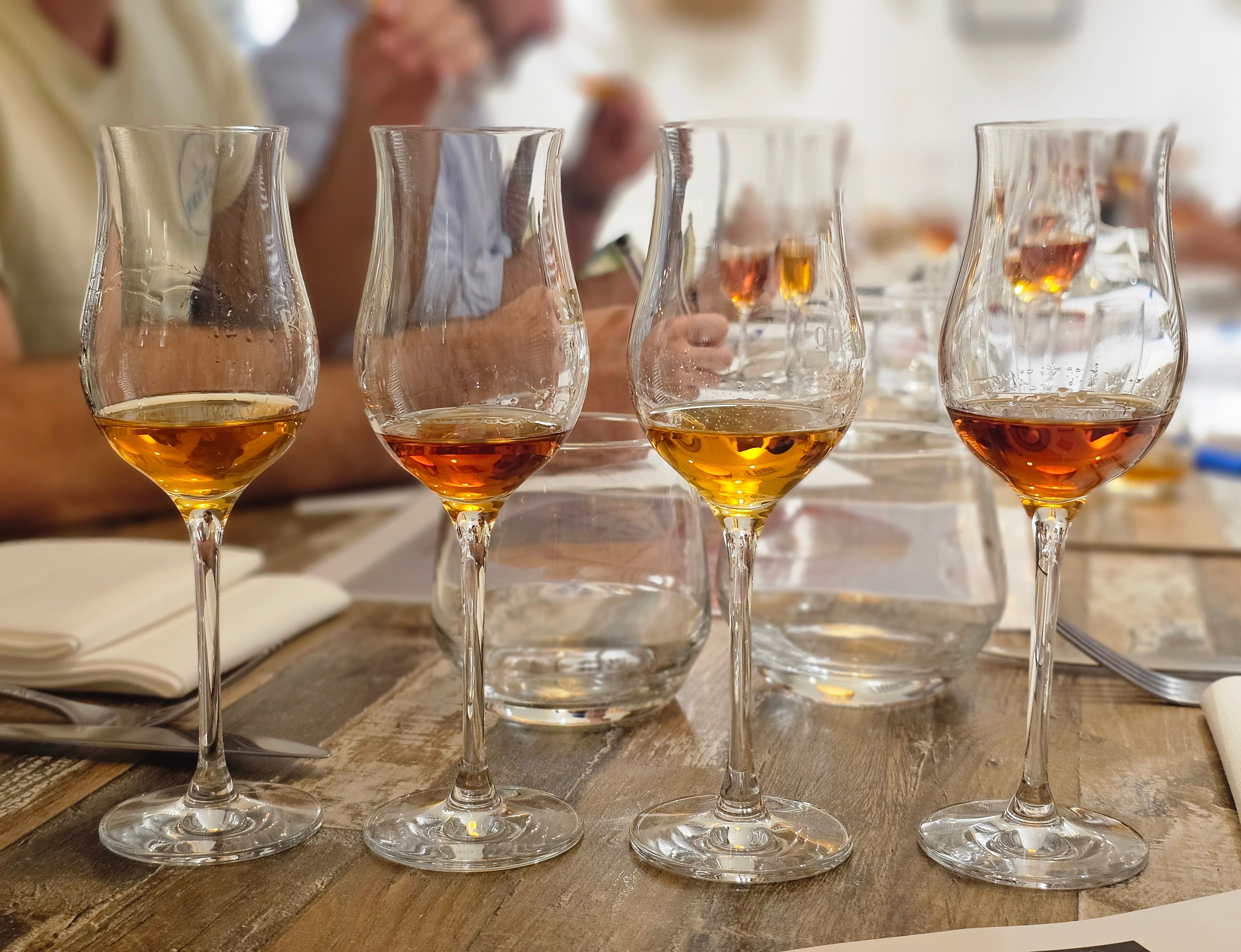
The IWSC tastes everything double blind. Samples are poured into numbered glasses before they reach the judges, who never see a bottle, a label, or a price. They taste in panels of three or four, together, with time to discuss rather than one critic filing a lonely verdict. They cap each judging day at sixty-five samples to keep palates fresh, and every spirit that reaches gold is tasted again by an independent committee member before the medal is confirmed.
The one number that reassured me most is the one nobody advertises: the floor. Score eighty-four or below and you get nothing. No medal, no listing, no trace in the public database. The rums you see in the results are not everyone who entered. They are the ones that survived a cut you never get to see.
It is worth knowing who does the cutting. The IWSC works from a pool of a few hundred judges across all its categories, drawn from more than thirty countries. How many sit on rum specifically is not something the competition breaks out, and I will not pretend to a number. What we do know is the shape of it. Each rum is judged by a small panel of three or four around a table, not one lone palate. That is not a flawless instrument, no tasting is, but it reads as a genuine effort to judge carefully and to judge well. The people doing it are trade insiders: buyers from the supermarkets, importers, bartenders, writers, and yes, some working distillers who may be tasting their own rivals without knowing it. The blind glasses are what keep that honest, and for the most part they do. What no method can remove is taste itself. This is a London trade palate, and it is fair to wonder whether the heritage Caribbean styles that crowd the top are partly a reflection of what that palate already loves. I do not read that as a flaw. I read it as a reminder that a medal is a considered opinion from a particular room, a good room, but a room.

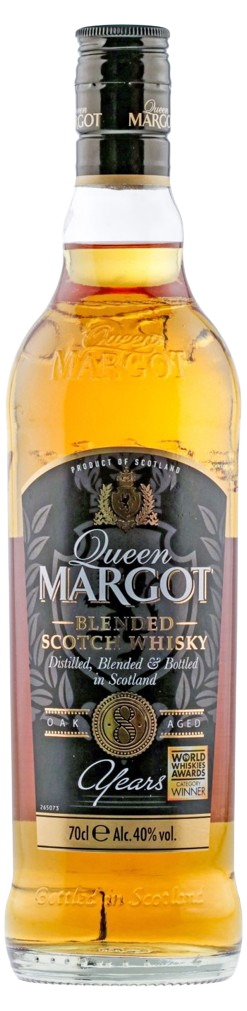
If you want proof that the blind glass earns its keep, there is one story I keep coming back to. In 2014, Lidl, the German discount chain, entered an eight-year-old blended Scotch, the sort of bottle you grab for around twelve pounds without thinking. It walked away with a Gold Outstanding, the very same top medal the prestige houses spend fortunes chasing. The judges had no idea what was in front of them. They simply found a striking nose of vanilla, coconut and citrus and scored it accordingly. Lidl collected fourteen medals that year, and a Waitrose blend took a Gold Outstanding of its own.
You can quarrel with plenty in this competition, but a panel that hands a supermarket whisky the same honour as bottles many times its price, on nothing but what is in the glass, is a panel doing exactly what you would want it to. That is the case for the method, made better than I could make it.
What the 2026 numbers say
Here I have to be honest about what the data can and cannot tell us.
We can see every medal. We cannot see how many rums were entered, because the IWSC publishes the winners, not the field. So if anyone quotes you a neat percentage of rums that won gold, they are inventing it. What we can say is narrower and, I think, more interesting.
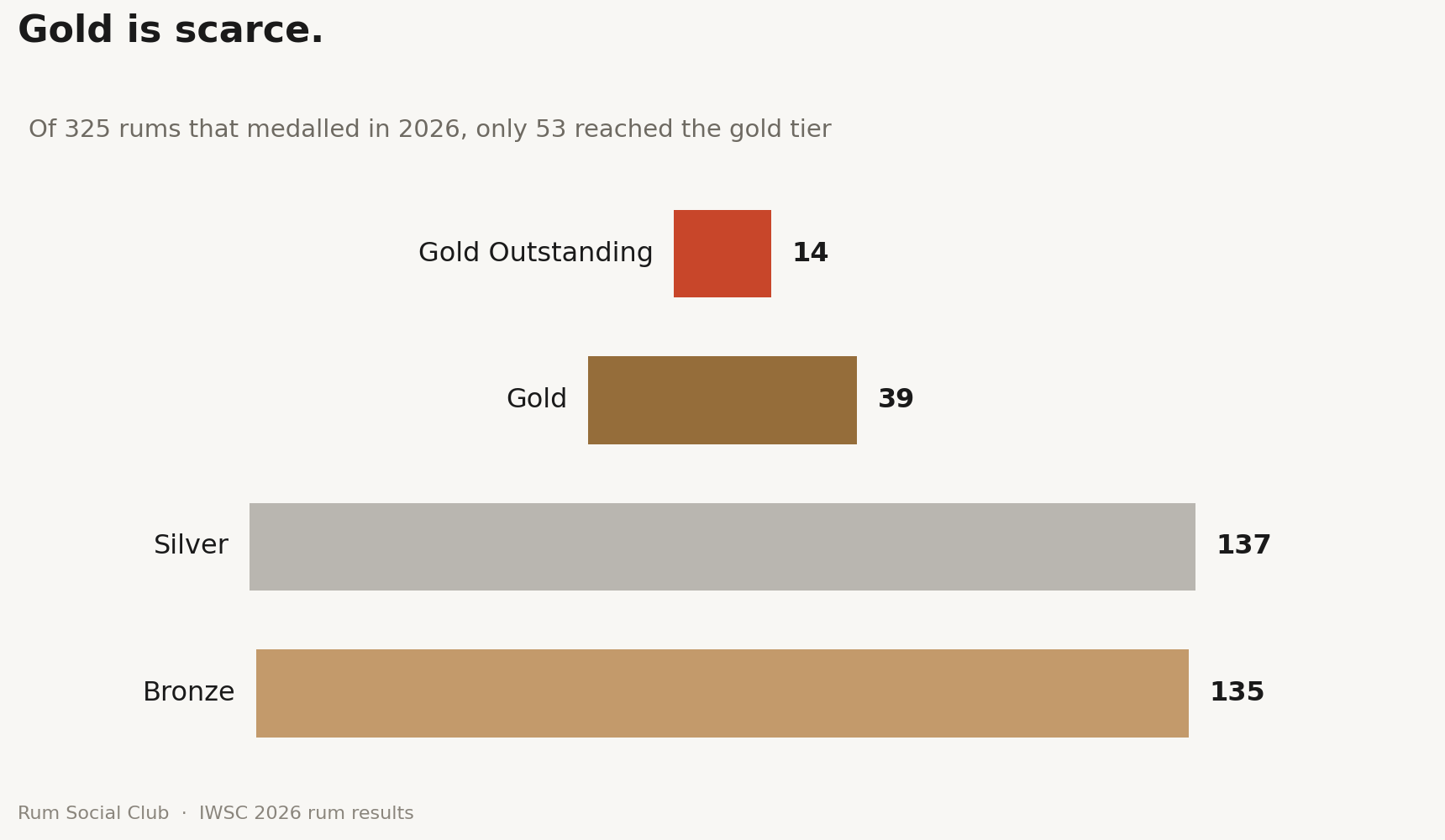
Gold is genuinely scarce. Of the 325 still rums that medaled, only fifty-three reached the gold tier: fourteen Gold Outstanding and thirty-nine Gold. The other eighty-four percent are silver and bronze. Whatever you make of competitions in general, the IWSC is not giving rum golds away.
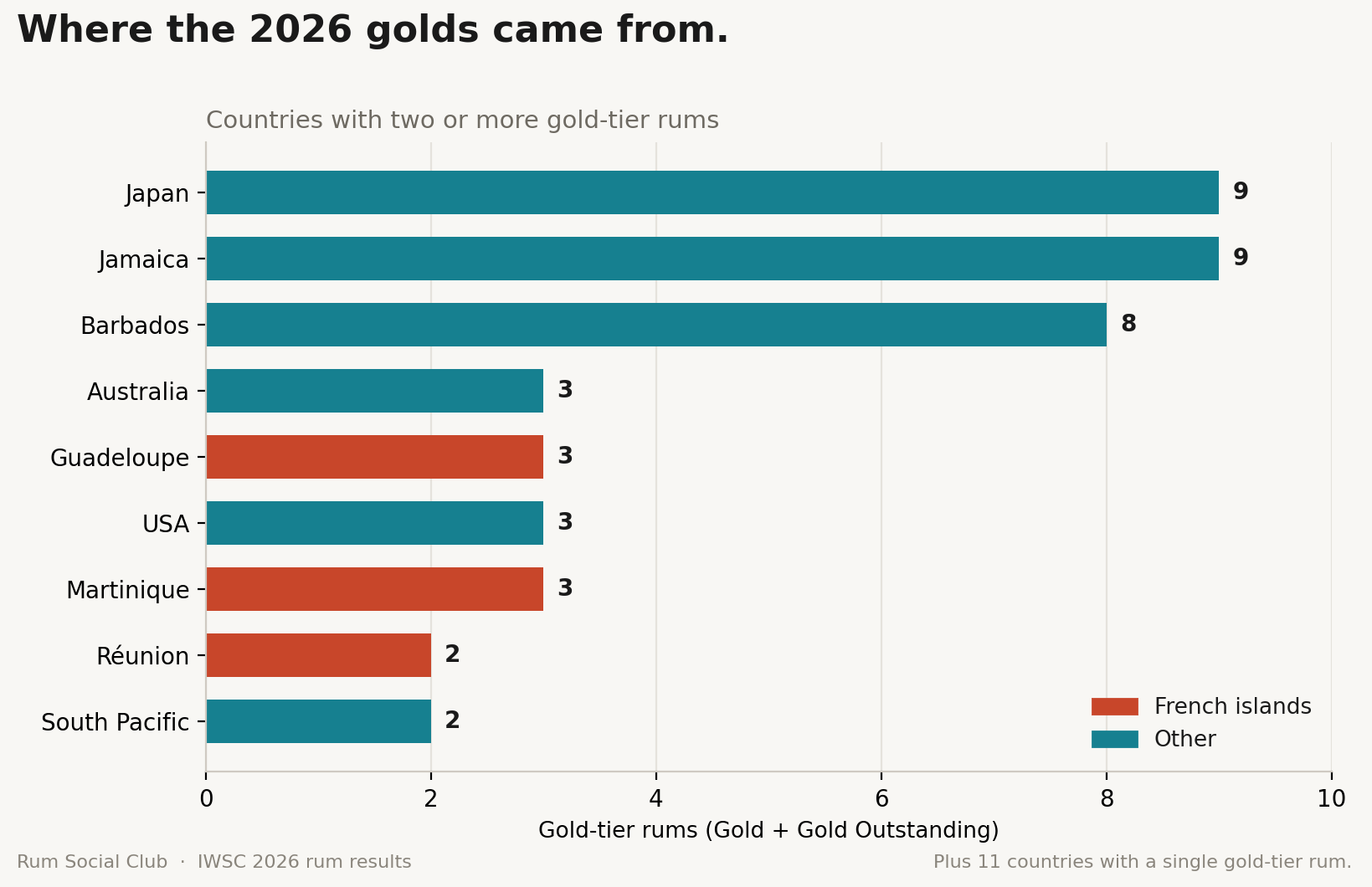
The geography tells the real story. More than twenty countries took a rum medal, which says the category has gone properly global. But narrow the view to gold and the map snaps back to a short list. Jamaica and Japan led the gold count, Barbados sat just behind, and then came a cluster of the French islands and the United States. Breadth at the base, a familiar few at the summit, with Japan as the one genuine newcomer standing among them.
One more figure, handled with care. Rum’s medal count is climbing fast. Three years ago the category took 285 medals and thirty-seven golds. This year it is 325 medals and fifty-three golds. That fits everything else happening in rum right now. But with the size of the field hidden, I cannot tell you how much of that rise is better rum and how much is simply more bottles arriving at the door. I would rather say so than dress it up.
Agricole, and home
I will own my bias here, because you would see it anyway. I wanted the cane juice rums to show well. They did, blind, on merit, against everything else in the glass.
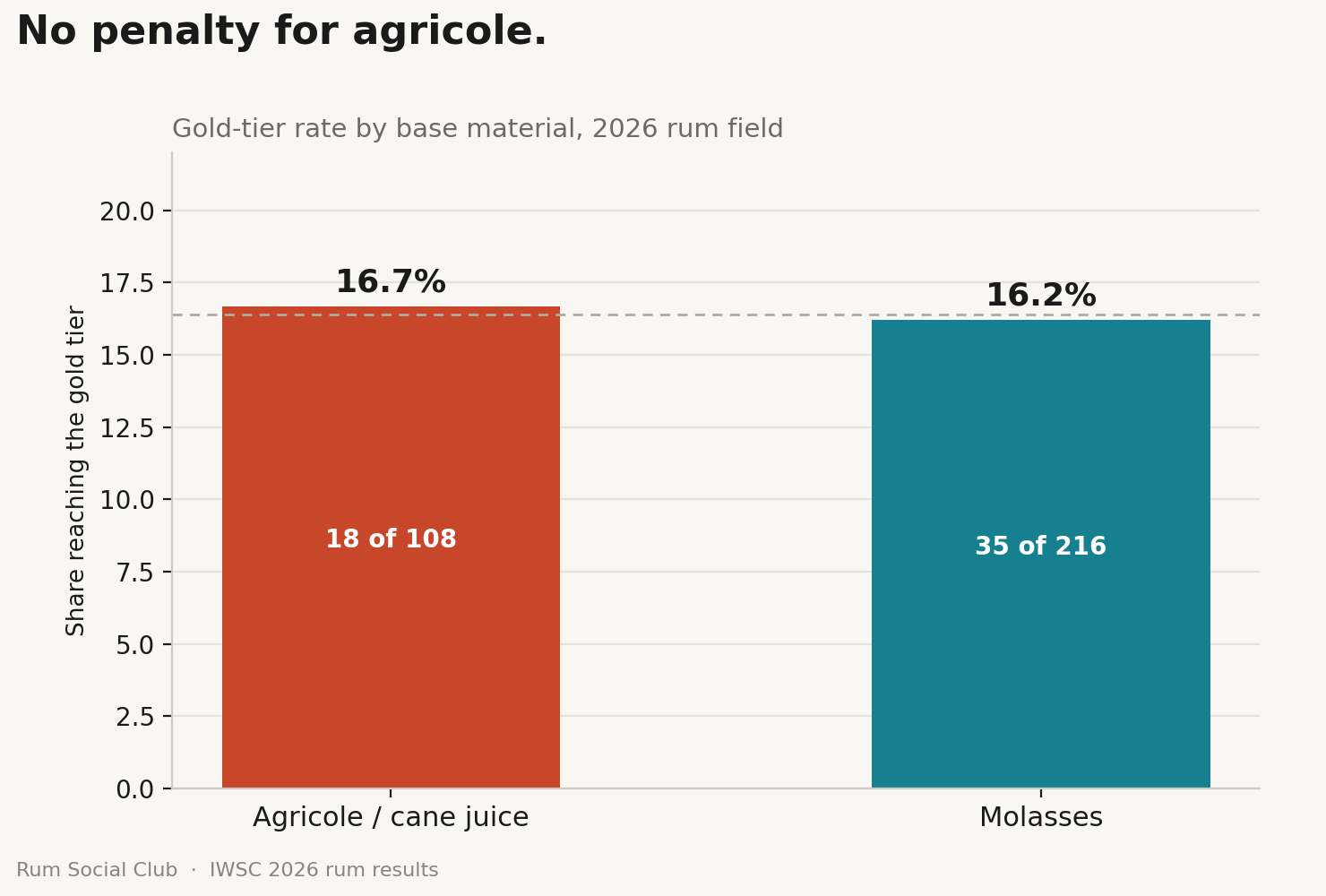
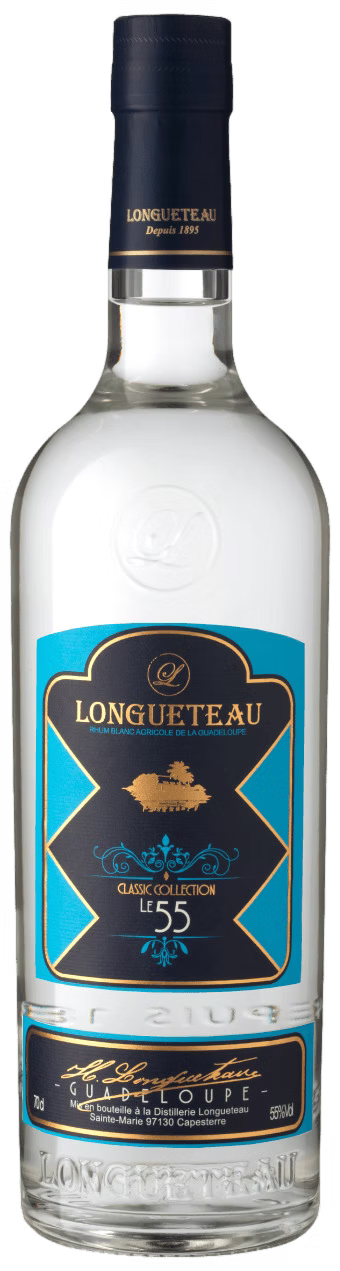
Agricole and cane sugar rums carried the same gold rate as molasses this year. No penalty, no polite curiosity, just rum judged as rum. And then, close to home, Distillerie Longueteau’s Le 55 scored ninety-eight and took a Gold Outstanding. One of only fourteen rums in the whole competition to reach that mark, and it is a Guadeloupe agricole. I do not hand out superlatives, as you know, so take this plainly: it is a serious result on a serious stage.
Guadeloupe did not stop there. Distillerie Bonne Mère took two golds on the molasses side, its Exclusive Barrel and Grande Reserve XO, alongside a handful of silvers, for seven medals in all. The wider French islands held their own: golds for Clément and for two organic Neisson bottlings in Martinique, and for Savanna in Réunion, including a ninety-seven point Art of Rum.
What to keep from this year
The IWSC’s own read on the year was unusually warm. Its judging committee called this one of rum’s strongest showings in recent memory, and Ian Burrell, who sits on it, put that down to producers raising their game and sending fuller, more balanced, more flavourful rums than before. The bottles it singled out will be familiar from the gold roll below. The five Foursquare expressions, St Nicholas Abbey's cask strength twelve year old, praised for a palate full of coconut and fruit, and Longueteau's Le 55. To that verdict I would add four things of my own.
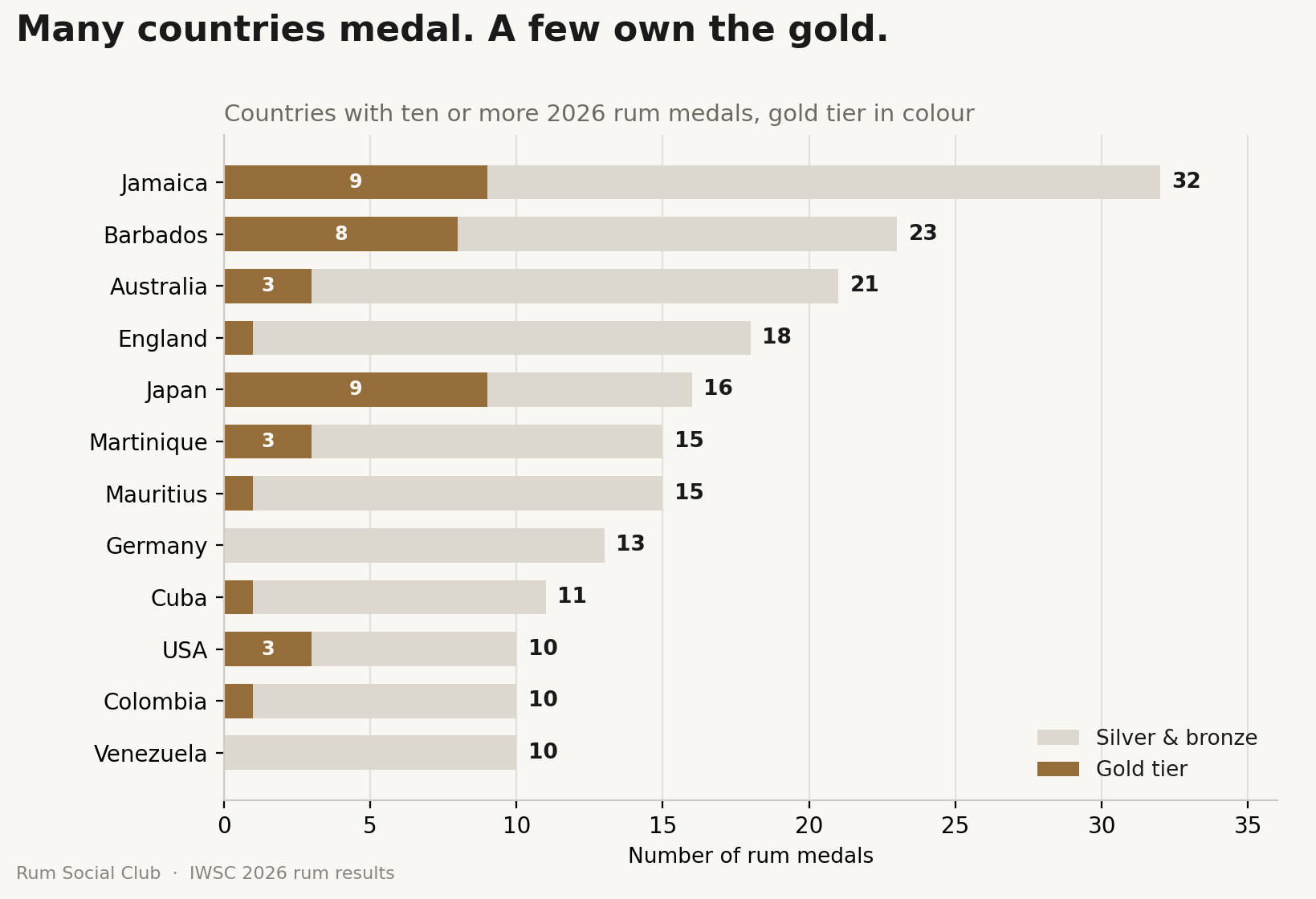
Japan has arrived, and not as a novelty. Shinozaki alone took a Gold Outstanding for its Wild & South C and six more Golds across the range, seven at the gold tier in all, from cane juice rum only two years old. The IWSC made the same point in wider terms, with Burrell predicting that rum from Asia is about to surprise a great many people. On this year’s evidence he is right. Keep an eye there.
Pot still and pot column blends own the top, while the pure column camp has slipped into the minority at gold. The weight and texture of those stills are doing the work at the summit.
Young rum can win. Golds landed across every age band, including unaged and sub five year bottlings. The old reflex that quality must mean a high age statement keeps getting quieter.
And the one I would keep nearest. A medal is a floor, not a ranking. An IWSC gold tells you a panel tasted this blind and judged it excellent, which is a real and earned signal that it is worth your money and your evening. It does not tell you it beats the bottle next to it on the shelf, because that bottle may never have been entered at all. Treat gold as an invitation to pour. Never read its absence as a verdict.
That is the measure I will keep using. A little less skeptical than I was a month ago, and a good deal more curious about what is coming out of our own islands.
The 2026 rum gold roll, by category
Fifty-three rums at the gold tier, sorted by exact IWSC category (base material, still type, age). Gold Outstanding in bold. Line format: name, producer, country (score).
Agricole / cane juice · Pot still · Unaged
Sora Khmer Agricole Rum · Khmer Jyoryu Co. · Cambodia (95)
Du Domaine Soleil Rhum · Rhum de la Péninnsule de Boso · Japan (95)
Agricole / cane juice · Pot still · No age statement
Exploration Jamaica Unpeated Rum · MacNair’s Boutique House of Spirits · Jamaica (95)
Acou Aging Α First Edition 2025 Rum · Acou Spirits Co. · Japan (95)
Agricole / cane juice · Column & pot still · Unaged
Rum · Halong Distillery · Vietnam (95)
Agricole / cane juice · Column & pot still · Up to 5 YO
The Wild & South C 2 YO Rum · Shinozaki Co. · Japan (98)
The Wild & South F 2YO Rum · Shinozaki Co. · Japan (97)
The Wild & South D 2 YO Rum · Shinozaki Co. · Japan (96)
The Wild & South K 2 YO Rum · Shinozaki Co. · Japan (96)
The Wild & South A 2 YO Rum · Shinozaki Co. · Japan (95)
The Wild & South I 2 YO Rum · Shinozaki Co. · Japan (95)
The Wild & South L 2 YO Rum · Shinozaki Co. · Japan (95)
Agricole / cane juice · Column & pot still · 6 to 10 YO
Cask Strength 8 YO Rum · St. Nicholas Abbey · Barbados (96)
Agricole / cane juice · Column & pot still · 11 to 15 YO
12 YO Rare Single Cask Strength Rum · St. Nicholas Abbey · Barbados (98)
Agricole / cane juice · Column still · Unaged
Bio Rhum · Distillerie Neisson · Martinique (95)
Mapipi Bio Rhum · Distillerie Neisson · Martinique (95)
Agricole / cane juice · Column still · 6 to 10 YO
10 YO Rhum · Héritiers H.Clément · Martinique (95)
Agricole / cane juice · Column still · No age statement
Le 55 Rhum · Distillerie Longueteau · Guadeloupe (98)
Molasses · Pot still · 6 to 10 YO
Bougainville XO Rum · Oxenham Craft Distillery · Mauritius (96)
FNQ Iridium 10 YO Rum · Mt. Uncle Distillery · Australia (95)
FNQ Iridium X Agave Cask 10 YO Rum · Mt. Uncle Distillery · Australia (95)
Cask Seasoned Rum · Scryer Rum · Puerto Rico (95)
Molasses · Pot still · 11 to 15 YO
15 YO Pure Single Estate Jamaican Rum · Hampden Estate · Jamaica (95)
Molasses · Pot still · Over 15 YO
Msr Limited Edition Single Mark 2007 Rum · Monymusk Plantation · Jamaica (98)
Mutiny 20 YO Bourbon Cask Rum · Dead Reckoning Rum · South Pacific (95)
Molasses · Pot still · No age statement
Great House Distillery Edition 2025 Rum · Hampden Estate · Jamaica (98)
Overproof Rum · Worthy Park Estate · Jamaica (98)
The Original Islay Overproof Rum · Islay Spirits No2 Limited · Scotland (98)
109 Rum · Worthy Park Estate · Jamaica (96)
Dawes Rum · 820 Spirits · England (95)
Myers’s Signature Legends Collection: The Legacy Blend Rum · Sazerac Company · Jamaica (95)
Molasses · Column & pot still · Unaged
Banter White Rum · American Cane · USA (98)
Molasses · Column & pot still · Up to 5 YO
Distillers Edition Premium VO Rum · Burdekin Rum · Australia (95)
Molasses · Column & pot still · 6 to 10 YO
Art Of Rum By Xandro · Distillerie de Savanna · Reunion (97)
10 YO Muscat Cask Rum · Dead Reckoning Rum · South Pacific (95)
Molasses · Column & pot still · 11 to 15 YO
Foursquare Indomitas 15 YO Rum · R L Seale & Company Limited · Barbados (98)
Foursquare Penultimus 15 YO Rum · R L Seale & Company Limited · Barbados (98)
Doorly’s 14 YO Rum · R L Seale & Company Limited · Barbados (95)
Rare Casks 12 YO Rum · Appleton Estate · Jamaica (95)
12 YO Rum · Old Road Rum Company · St Kitts & Nevis (95)
Molasses · Column & pot still · Over 15 YO
Foursquare Epilogue 19 YO Rum · R L Seale & Company Limited · Barbados (98)
Foursquare Mandamus 16 YO Rum · R L Seale & Company Limited · Barbados (98)
Foursquare Supernum 21 YO Rum · R L Seale & Company Limited · Barbados (98)
Molasses · Column & pot still · No age statement
Gold Rum · Crossfire Hurricane · Jamaica (96)
Molasses · Column still · Up to 5 YO
La Hechicera Serie Experimental No. 1 · Casa Santana Ron y Licores · Colombia (95)
Original Añejo 3 YO Rum · Havana Club International · Cuba (95)
DBM Exclusive Barrel Rum · Distillerie Bonne Mère (Societe Industrielle de Sucrerie) · Guadeloupe (95)
5 YO Rhum · Distillerie de Savanna · Reunion (95)
Sparrow’s Premium Aged Rum · St Vincent Distillers · Saint Vincent and the Grenadines (95)
Molasses · Column still · 6 to 10 YO
Gold Miner Barrel Reserve Platinum 10 YO Rum · Desert Diamond Distillery · USA (98)
DBM Grande Reserve XO Rum · Distillerie Bonne Mère (Societe Industrielle de Sucrerie) · Guadeloupe (95)
Gold Miner Barrel Reserve Gold 6 YO Rum · Desert Diamond Distillery · USA (95)
Molasses · Column still · 11 to 15 YO
Admiral’s Officer’s Release No:3 Rum · St Lucia Distillers · Saint Lucia (95)
👉 See full results at https://iwsc.net/results/search/2026